Conferences and Symposiums

Conferences and Symposiums
Conference and Symposium

China Business Forum 2026

Date: Jan 24-25 (Sat-Sun), 2026

Time: 

Day 1 – 8:30am – 6:15pm

Day 2 – 9:15am – 11:00am

Location:  Wanchai, Hong Kong

Venue: Hopewell Hotel


The China Business Forum (CBF) is established for the purpose of promoting China business through integrating research and industry wisdom to generate sustainable societal impact. 


For more information, please click here.


For the booklet of the event, please click here.

Overview

The Hang Seng University of Hong Kong (HSUHK) School of Business has joined forces with prestigious universities in Mainland China, South Korea, the United States and the United Kingdom to launch the China Business Forum, to foster constructive dialogue between academia and industry by addressing critical challenges and emerging opportunities within China’s dynamic business landscape.

As the first-of-its-kind forum dedicated to bridging academia and industry within the context of China’s dynamic business environment, it will bring together distinguished scholars, senior executives, and policymakers for in-depth dialogue, knowledge exchange, and collaborative exploration.

With participation from distinguished Deans, faculty members, and industry leaders, the Forum will facilitate meaningful dialogues between leading scholars and business professionals that bring together thought leadership and practical insights into the evolving Chinese business landscape.

Objectives

Bridging Academia and Industry: The Forum will serve as a strategic interface between leading business schools and industry stakeholders, enabling dialogue on current and emerging challenges in Chinese business practices, policy, and innovation.

Fostering Research Exchange: Academic researchers will gain exposure by presenting their work to renowned scholars and practitioners, enhancing the impact and global relevance of research conducted by member universities.

Creating a Platform for Long-term Collaboration: The Forum will function as a foundation for sustained academic partnerships, collaborative research initiatives, and cross-border education programmes that align with the strategic goals of member universities.

On Event Days

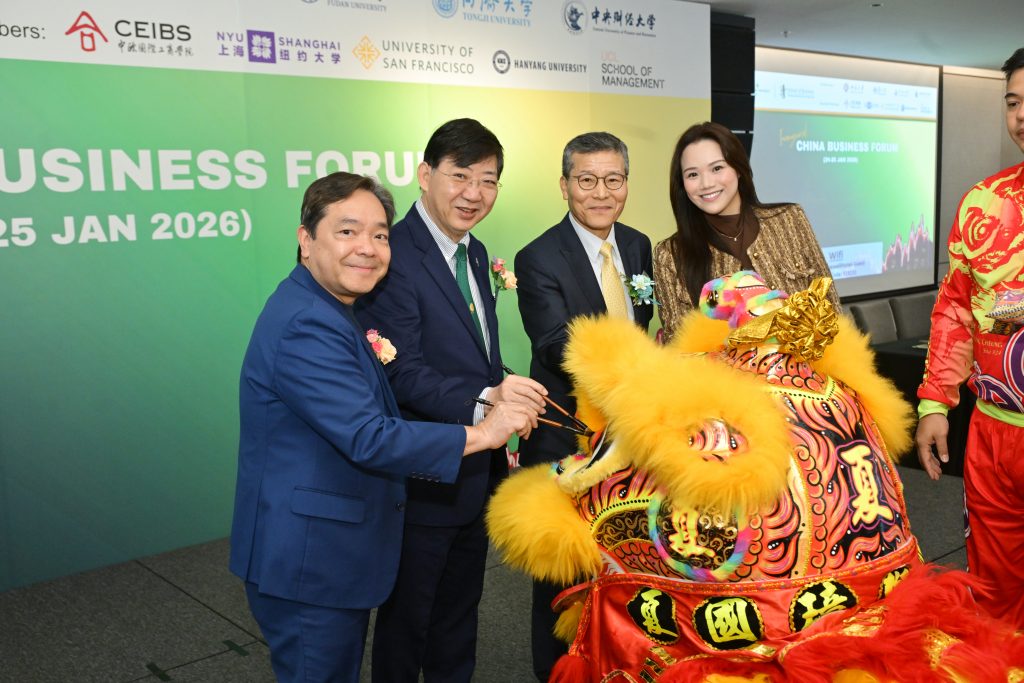
1. Opening Activities

2. Welcome Address and Opening Remarks

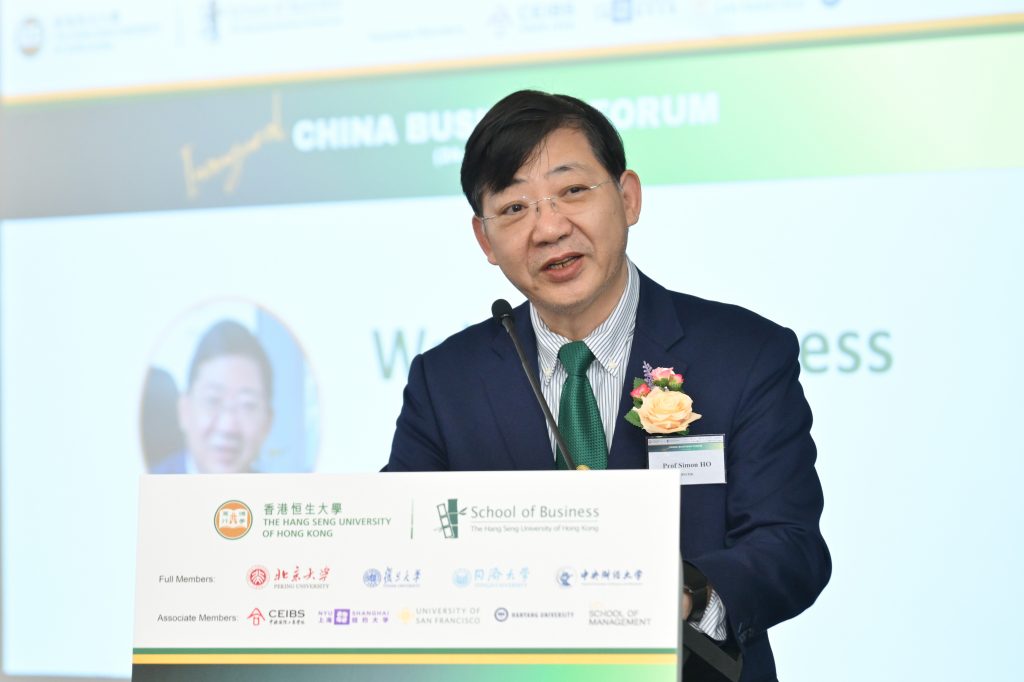
  • President Simon HO (Welcome Address)
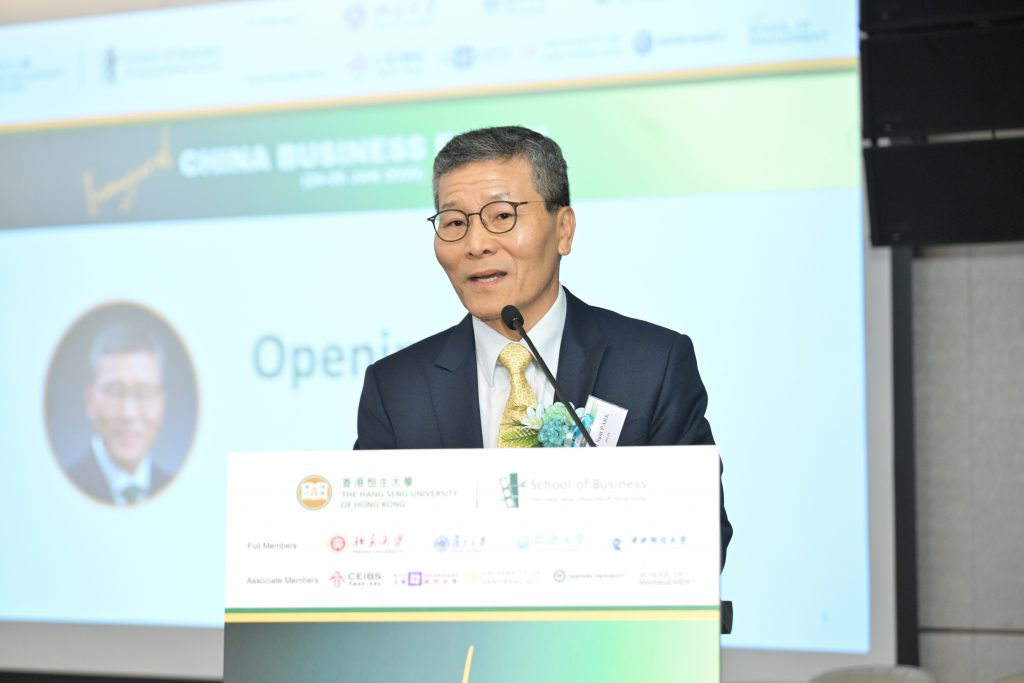
  • Dean Sam PARK (Opening Remarks)

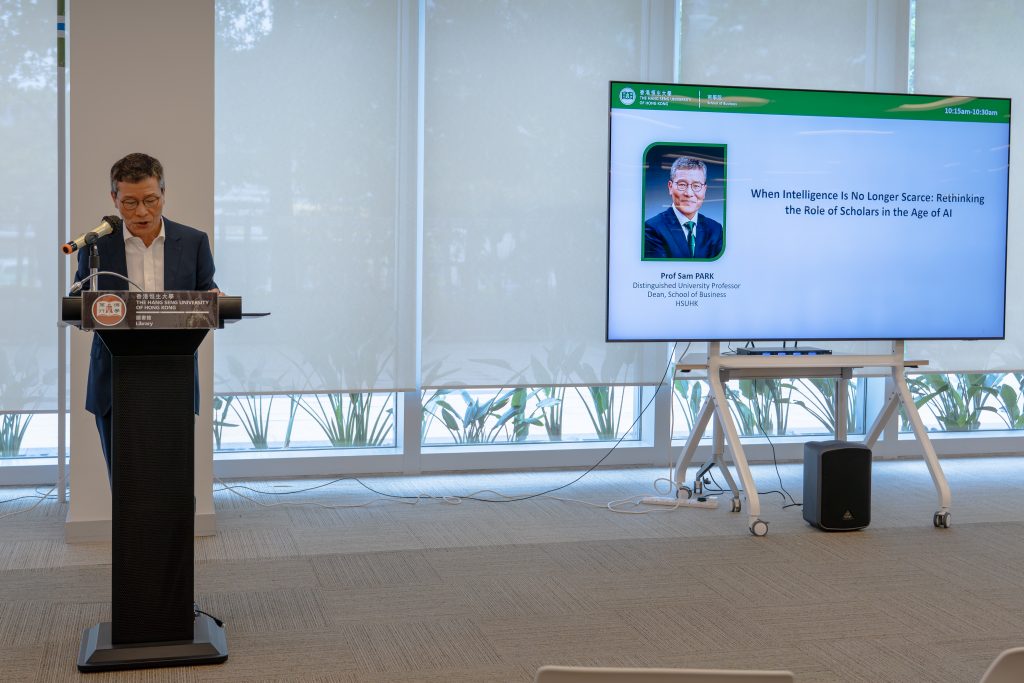
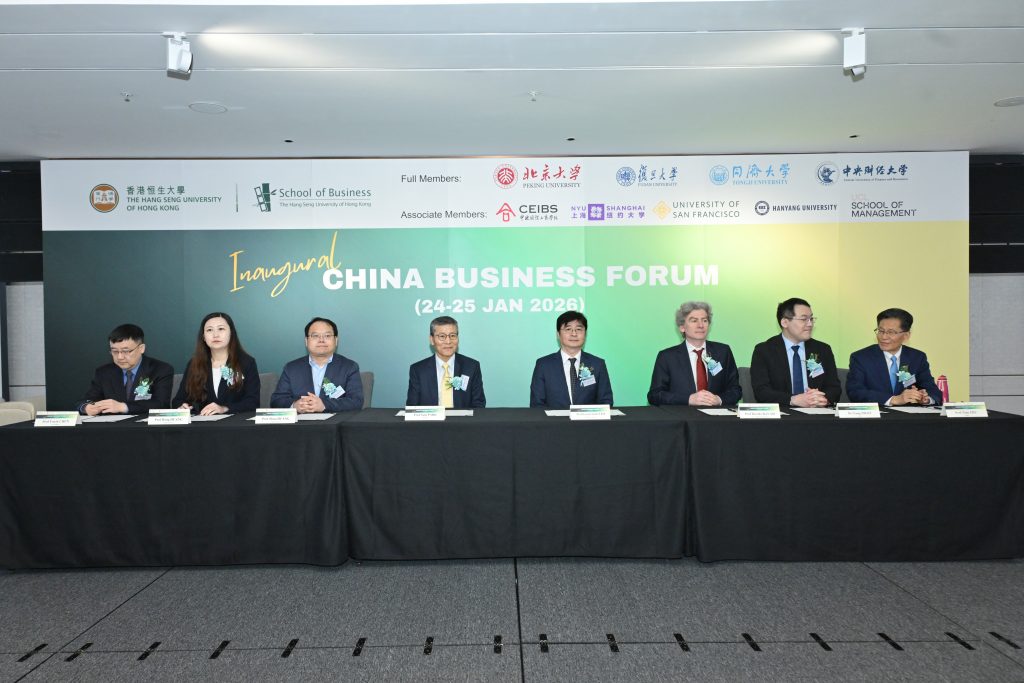
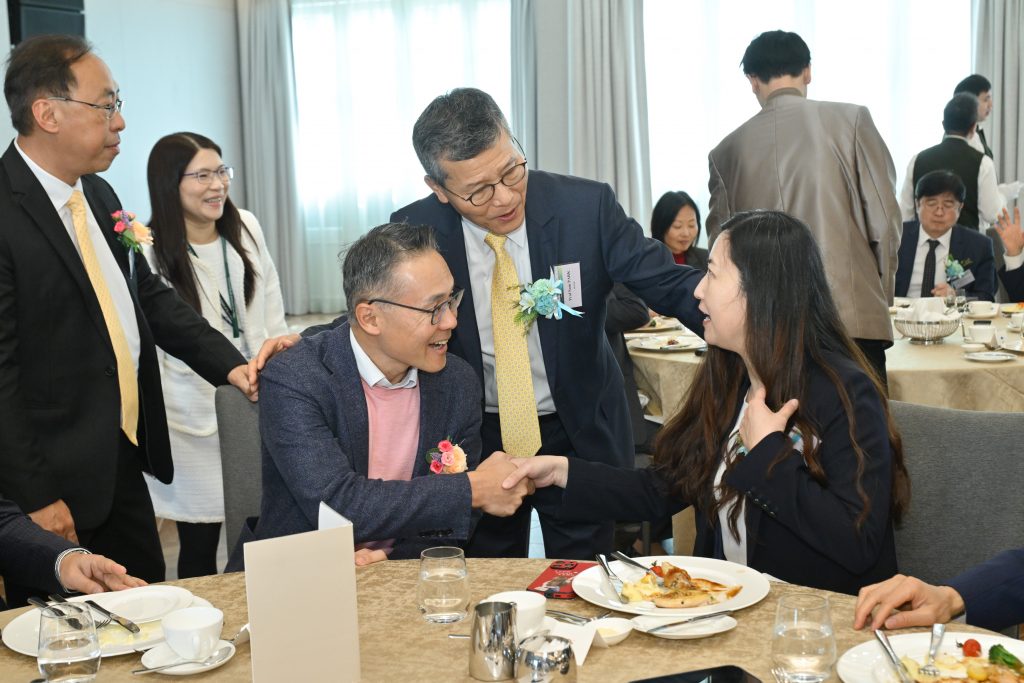
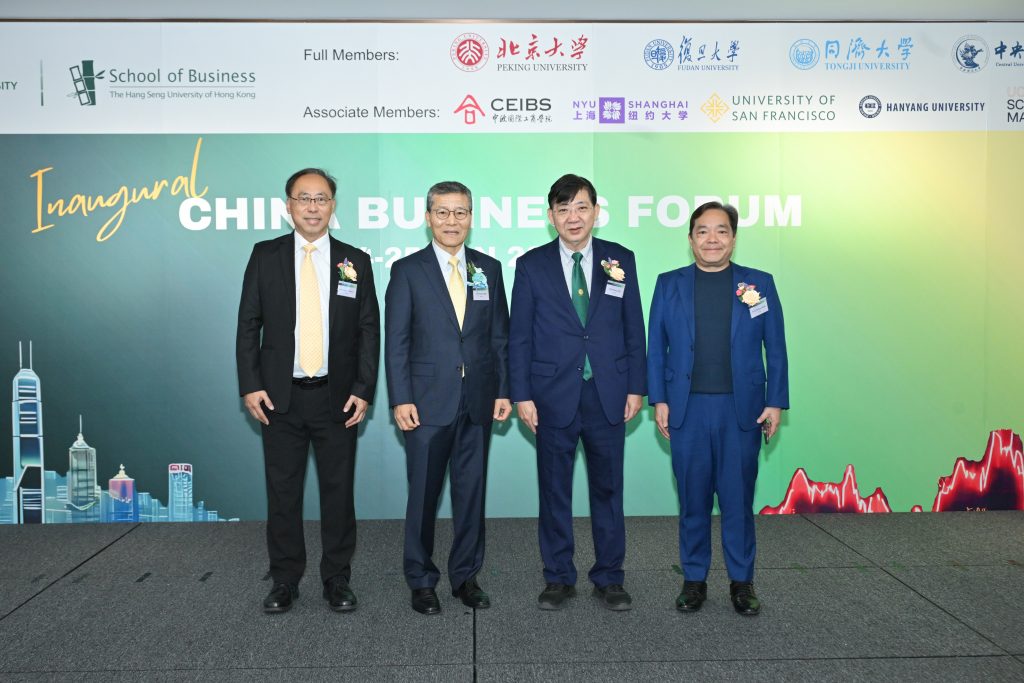
In his opening address, Professor Simon S M Ho, President of HSUHK, underscored Hong Kong’s distinctive position as a vital bridge linking China with the global community. He envisioned the Forum as an enduring platform rooted in knowledge, trust, and mutual prosperity, noting, “This Forum is not merely a conference — it embodies a vision to foster dialogue between academia and industry, integrate research with practical experience, and transform diverse ideas into impactful outcomes.”
 

Professor Sam Park, Dean of SBUS, highlighted the power of the strategic integration of research and industry wisdom, and the importance of nurturing future scholars and practitioners. He remarked, “By combining rigorous academic research with rich practical experience, and by empowering young scholars, knowledge can become more relevant and impactful.”
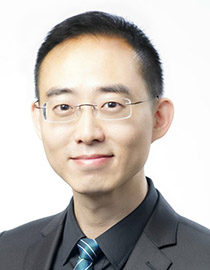
President Simon HO 

Dean Sam PARK

3. Keynote Speech 1

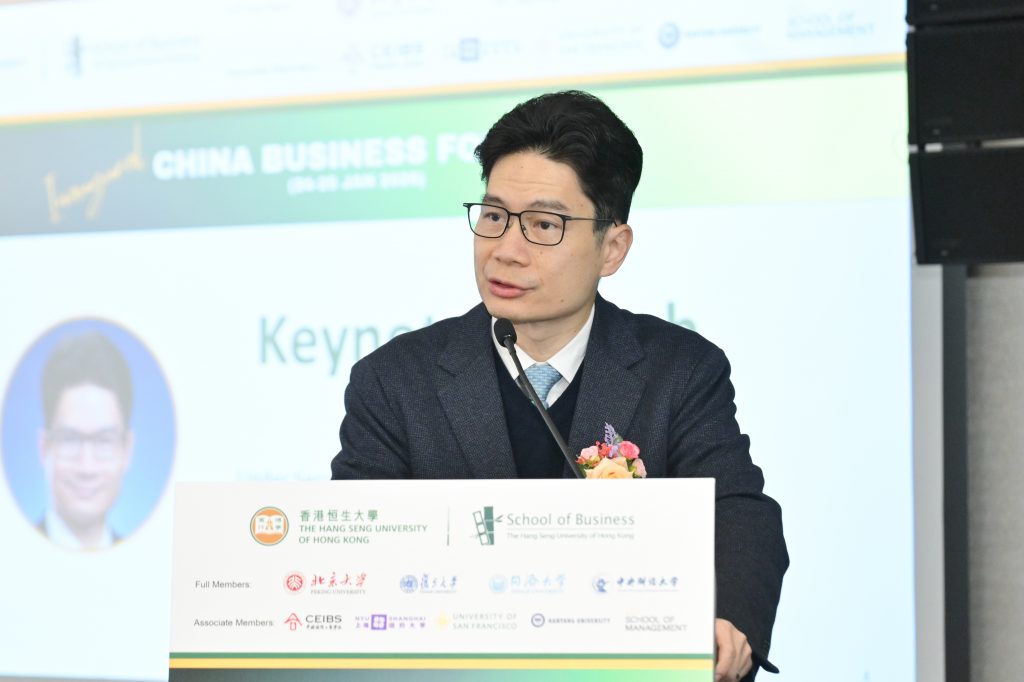
  • Mr Joseph H. L. CHAN, JP, Under Secretary for Financial Services and the Treasury, Financial Services and the Treasury Bureau, The Government of Hong Kong Special Administrative Region

Mr Joseph Chan, Under Secretary for Financial Services and the Treasury of the HKSAR Government, and Mr Joe Ngai, Greater China Chairman of McKinsey & Company, delivered keynote speeches, sharing valuable insights into government policy directions and emerging business trends. In his keynote, Mr Chan highlighted Hong Kong’s unique advantages under the “One Country, Two Systems” principle. He emphasised the city’s role as a super connector between China and international markets, citing its leadership in IPO fundraising, offshore RMB liquidity, green finance, and fintech innovation. Mr Ngai then drew on timely insights from the World Economic Forum just concluded in Davos, noting 18 potential arenas shaping the future — in particular the emergent arenas ranging from space and cybersecurity to robotics, air mobility, and video games, etc.. He emphasised that China already has strong players in the top 10 arenas, underscoring its global competitiveness. Mr Ngai further highlighted agentic AI as the next paradigm shift, revolutionising how we work and collaborate across industries. Thriving in the next era means embracing “hybrid intelligence”.

4. Signing Ceremony

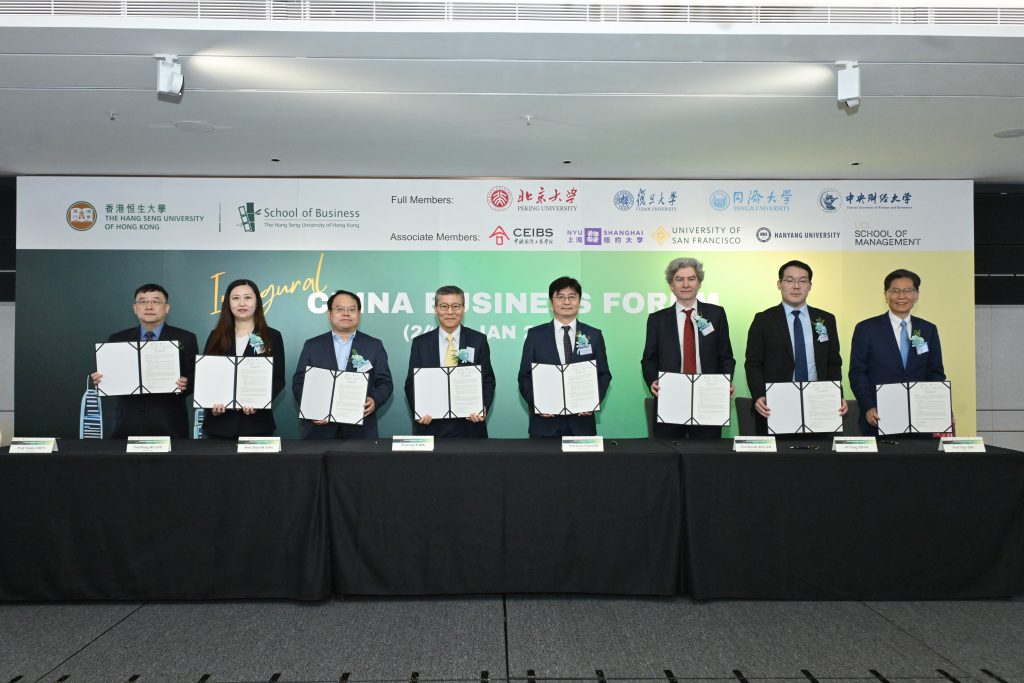
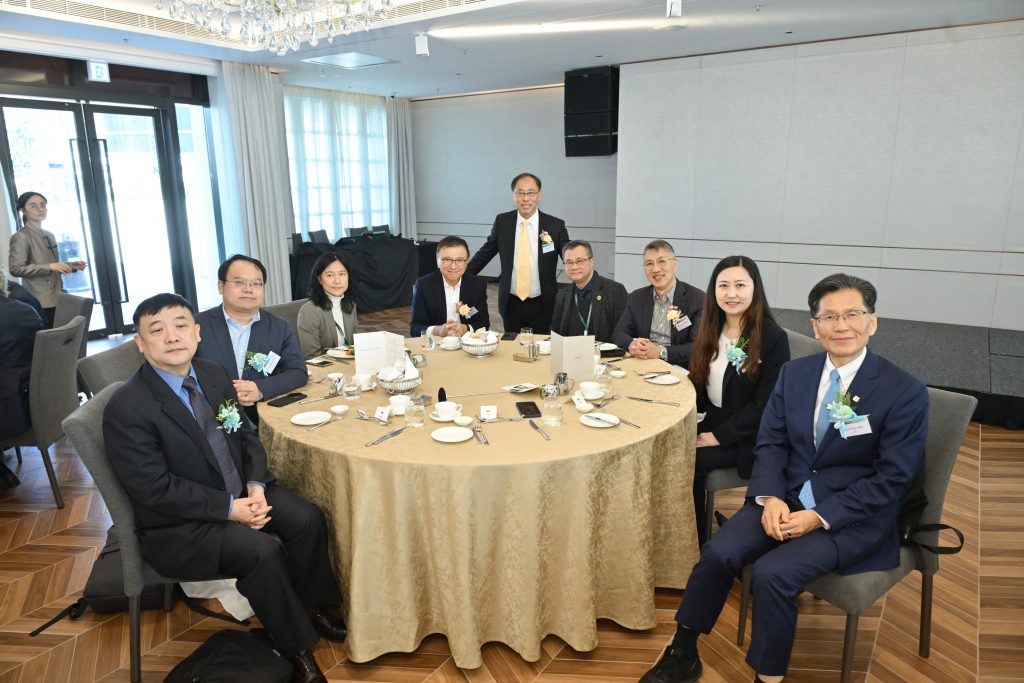
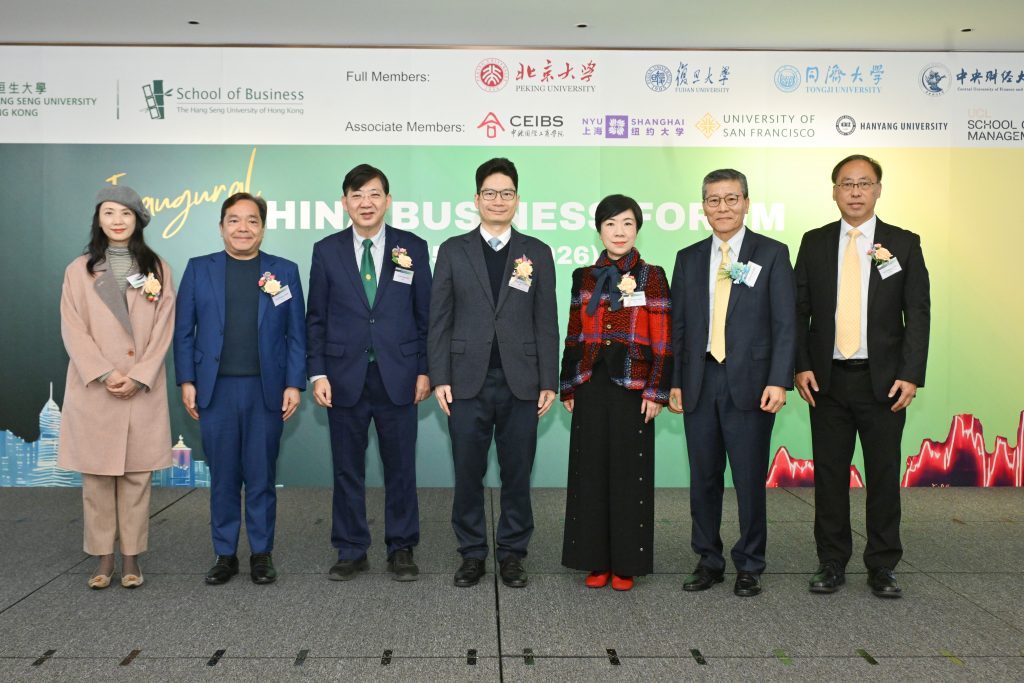
A pivotal highlight of the forum was the formal signing ceremony that brought together Deans and senior representatives from a distinguished network of partner institutions, including full‑member universities from the Chinese Mainland—Central University of Finance and Economics, Fudan University, Tongji University and Peking University—and associate members such as China Europe International Business School, NYU Shanghai Center for Business Education and Research, Hanyang University (South Korea), University of San Francisco (United States), and UCL School of Management (United Kingdom).

The partnership declaration reaffirmed a shared commitment to foster a new ecosystem to deepen academic exchange, collaborative research, and develop future scholars focused on China business and cross‑border innovation, ensuring that business education remains responsive to the complexities of the global landscape.

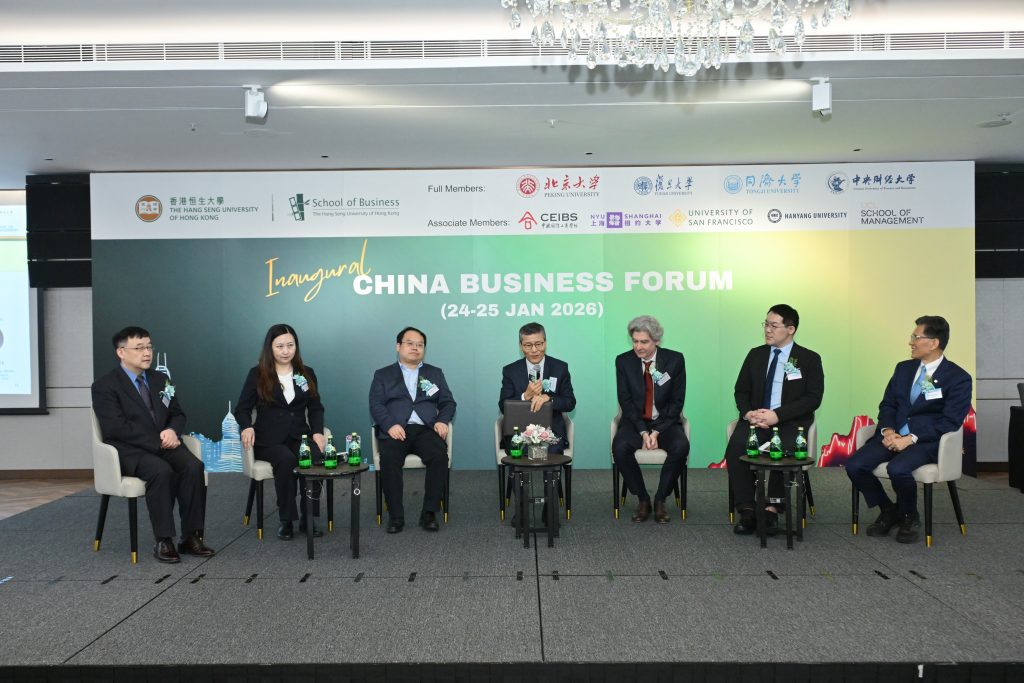
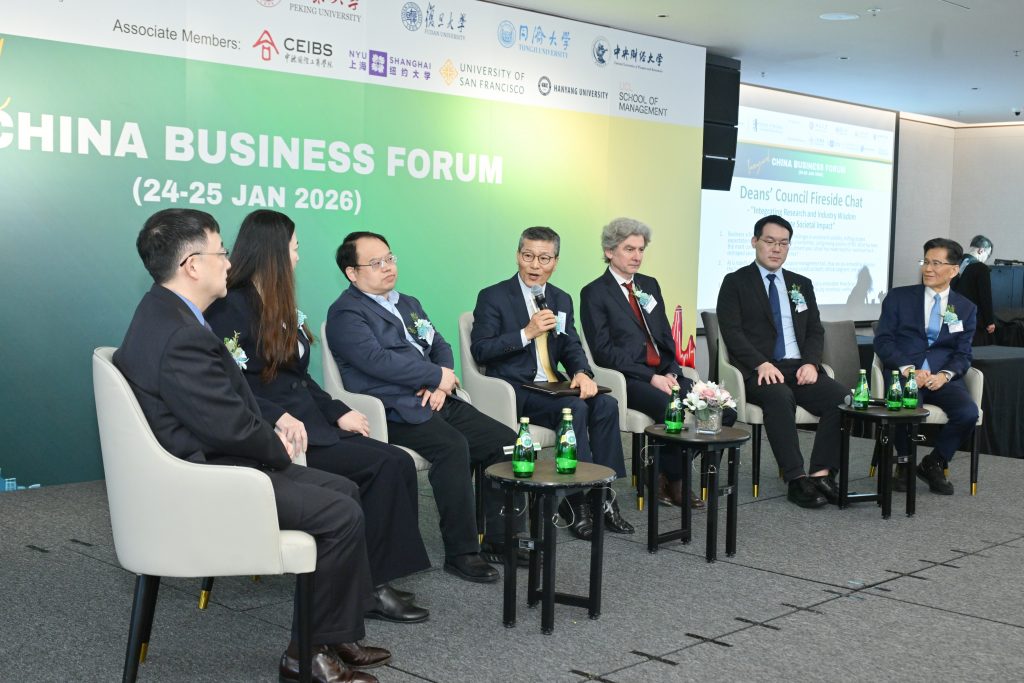
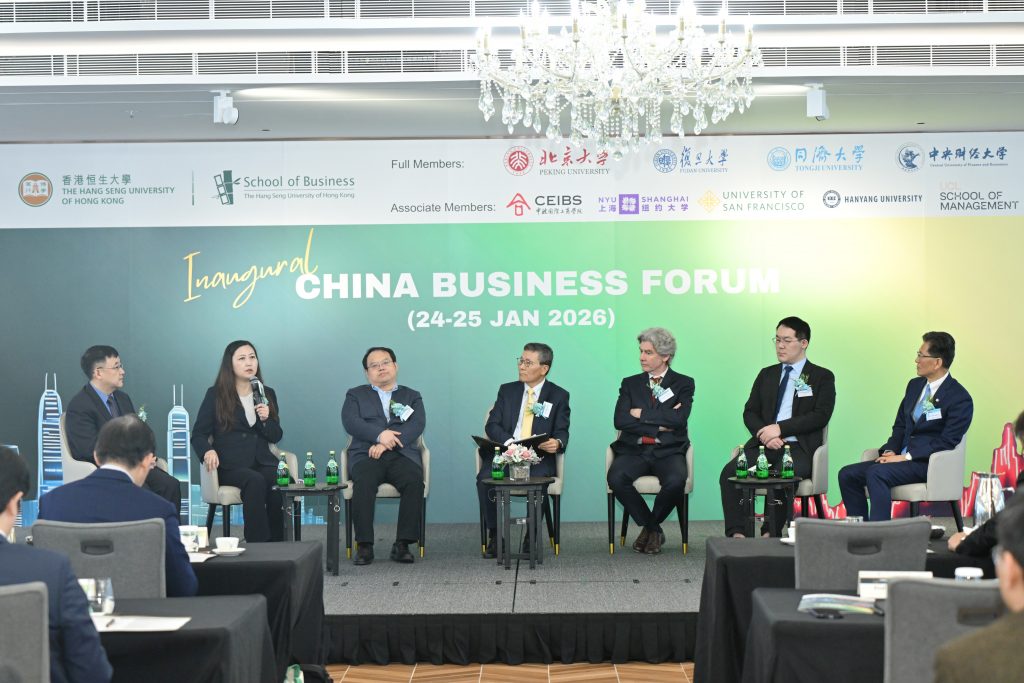
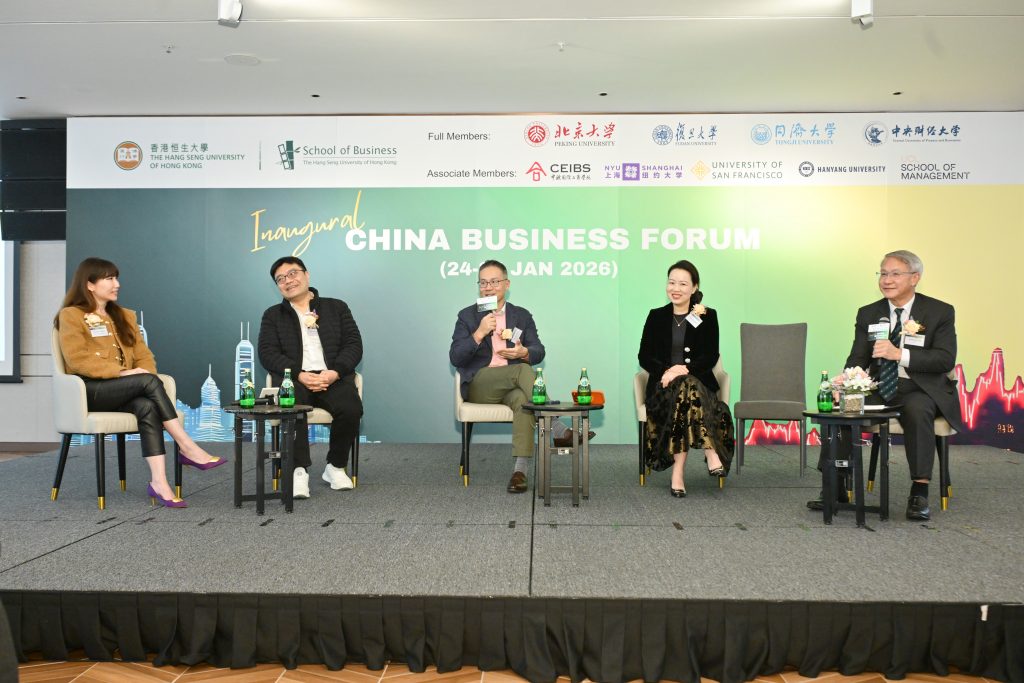
5. Deans’ Council Fireside Chat

Panel Speakers included:

    • Dr Yang ZHAO, Associate Professor in Finance & Associate Dean, School of Innovation and Development, Central University of Finance and Economics
    • Professor Rong HUANG, Lidasan Endowed Professor and Assistant Dean, School of Management, Fudan University
    • Professor Zhuo HUANG, Deputy Dean, National School of Development, Peking University
    • Professor Tian ZHU, Vice President and Co-Dean, CEIBS
    • Professor Yuxin CHEN, Dean of Business, Director of NYU Shanghai Center for Business Education and Research (NYU Shanghai CBER)
    • Professor Davide RAVASI, School Director, UCL School of Management

Moderated by:

    • Professor Sam PARK, Dean of School of Business, HSUHK; Chairman of Deans’ Council, China Business Forum 2026

Moderated by Professor Sam PARK, Dean of School of Business, the Forum also featured a thought-provoking Fireside Chat with the participating Deans, to address about the role of business education and finance in an era of rapid technological change and geopolitical realignment. Their discussion produced practical, consensus‑driven insights that will inform institutional strategy and industry collaboration going forward. The discussion started to explore the consequential strategic shifts business schools have made to combat enrolment volatility and heightened scrutiny of “educational ROI.” The Deans reached a consensus that institutional survival now depends on moving beyond traditional degree silos to justify societal relevance through radical innovation. Schools are aggressively restructuring their portfolios to include high-quality non-degree programmes and lifelong learning tracks that cater to immediate industry needs. By emphasising interdisciplinary studies and a “deliberate integration with reality, ” schools are repositioning themselves not just as academic gatekeepers, but as connected hubs that bridge the gap between complex market changes and student employability. Regarding the pervasive rise of AI, the Deans explored how to embed these tools without compromising analytical depth or academic rigor. While many schools are still in an incremental phase, the emerging strategy involves creating dedicated AI centers to develop specialised case studies and reimagining evaluation systems. To prevent the erosion of critical thinking, there is a significant shift toward oral assessments and “interactive defense”of work. The prevailing sentiment is that AI must be treated as a “new reality” that requires a holistic institutional strategy rather than a series of disconnected pilot projects, ensuring that students learn to command AI rather than simply outsource their thinking to it. Finally, the panel identified the unique human competencies that remain superior to AI, which form the bedrock of future leadership education. The Deans emphasised that while AI excels at synthesis, it cannot replicate the “Human Edge”: critical judgment, ethical accountability, and the socio-emotional skills required to manage “agentic organisations. ” The goal of the modern business school is to nurture “hybrid intelligence” by focusing on interactive skills, empathy, and the ability to lead through “organised chaos.” By focusing on these human connections and decision-making powers, schools are preparing students to be the architects of a future where they can effectively “get people out of the way” to let innovation flourish.

6. Industry Panel 1 – Hong Kong’s IFC Role in Supporting China Business

Panel Speakers included:

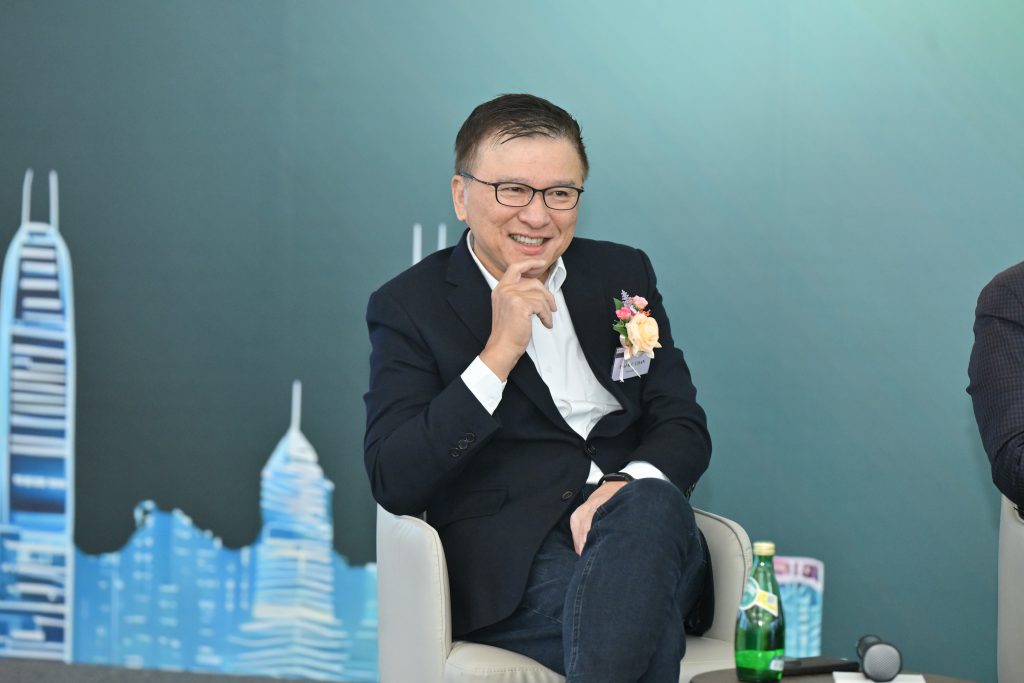
    • Professor K C CHAN, Chairman, WeLab Bank
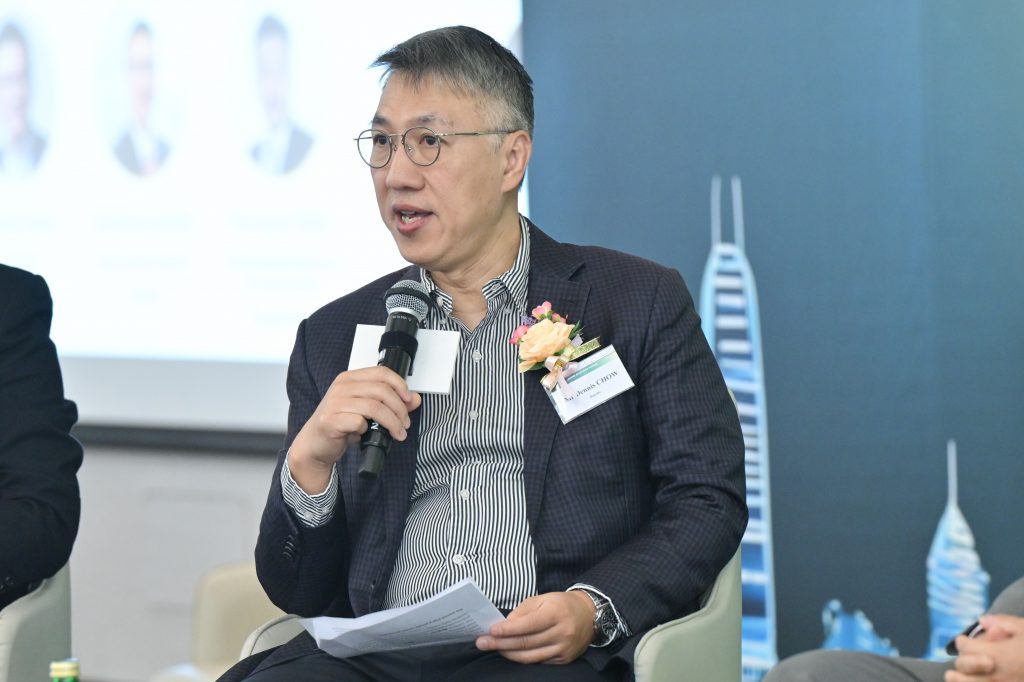
    • Mr Dennis CHOW, Deputy Global Chairman, Deloitte
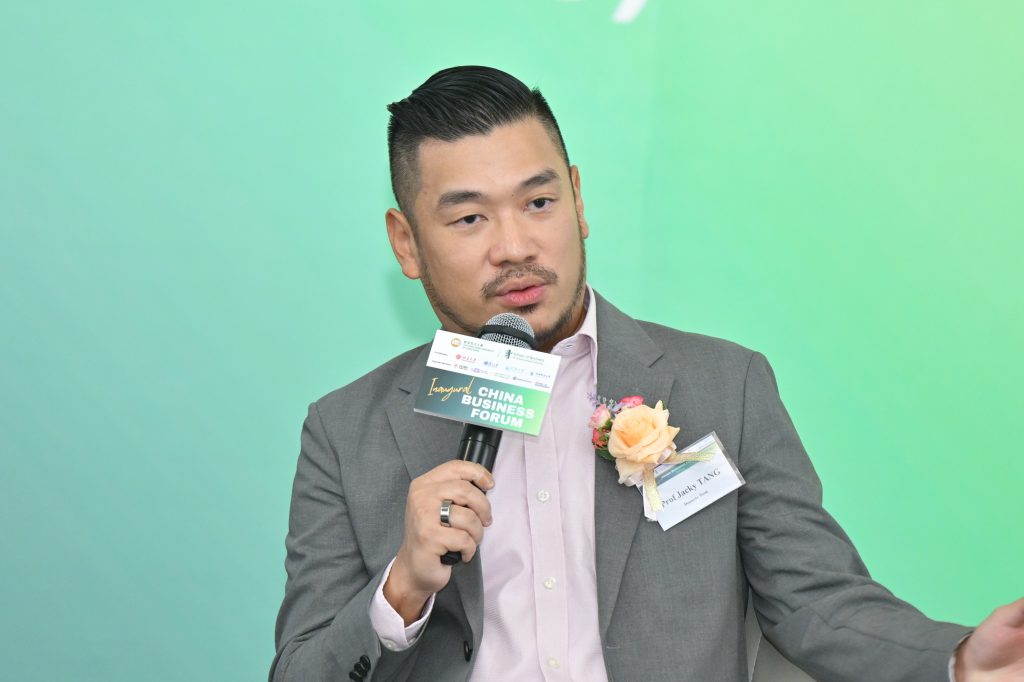
    • Professor Jacky TANG, Chief Investment Officer for Emerging Markets, Deutsche Bank

Moderated by:

    • Professor Louis CHENG, Dr S H Ho Professor of Banking and Finance, Associate Dean (Research) of School of Business, Director of Research Centre for ESG, HSUHK

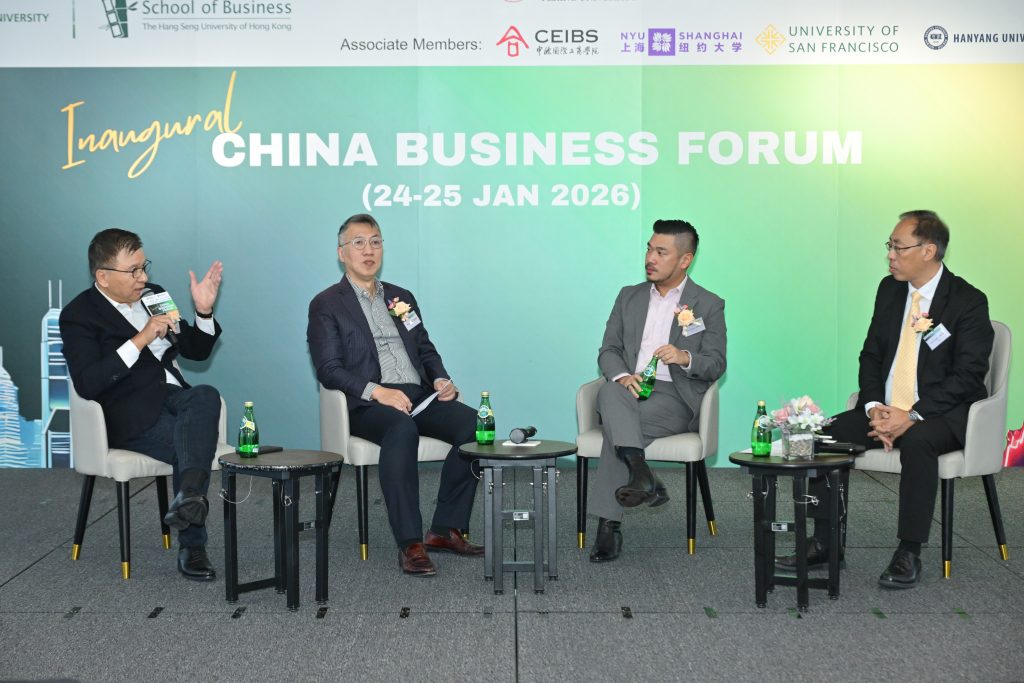
Complementing the keynote, the morning industry panel, moderated by Professor Louis CHENG, Associate Dean (Research) of School of Business, addressed three critical questions regarding the future of Hong Kong’s financial sector in the context of China’s growth. The panel featured Professor K C CHAN (Chairman, WeLab Bank), Mr Dennis CHOW (Deputy Global Chairman, Deloitte), and Professor Jacky TANG (Chief Investment Officer for Emerging Markets, Deutsche Bank).

Panelists agreed that Hong Kong’s finance sector must play a proactive role in supporting Mainland firms as they expand into AI and innovation. Banks and family offices in Hong Kong should provide funding, regulatory support, and platforms for innovative products and services. By leveraging Hong Kong’s financial infrastructure, the city can help Chinese firms capture global opportunities in AI‑driven industries.

With international political uncertainties reshaping strategies from globalisation to regionalisation, such as Belt and Road initiatives, panelists emphasised that Hong Kong’s finance sector should adapt by facilitating Mainland corporations’ overseas expansion. This includes structuring cross‑border financing, offering risk management solutions, and building partnerships that align with regional development priorities. Hong Kong’s position as an international financial centre makes it uniquely suited to channel global capital into regional projects in support of this “going out” strategy.

The panel also highlighted the importance of integrating AI and innovation strategies into investment and finance functions. This not only enhances efficiency but also creates new avenues for value creation. For academics, this presents fertile ground for research into how financial institutions can balance innovation, regulation, and competitiveness while supporting China’s internationalisation.

Taken together, the keynote and panel discussions reinforced a clear message: Hong Kong’s future competitiveness lies in deepening financial connectivity, embracing fintech and AI innovation, and leading in sustainable finance. The Forum demonstrated the power of combining policy vision with industry expertise, creating a platform where ideas are translated into impact and research informs real‑world solutions to contribute meaningfully to Hong Kong’s role as a global financial hub.

Professor K C CHAN

Mr Dennis CHOW

Professor Jacky TANG

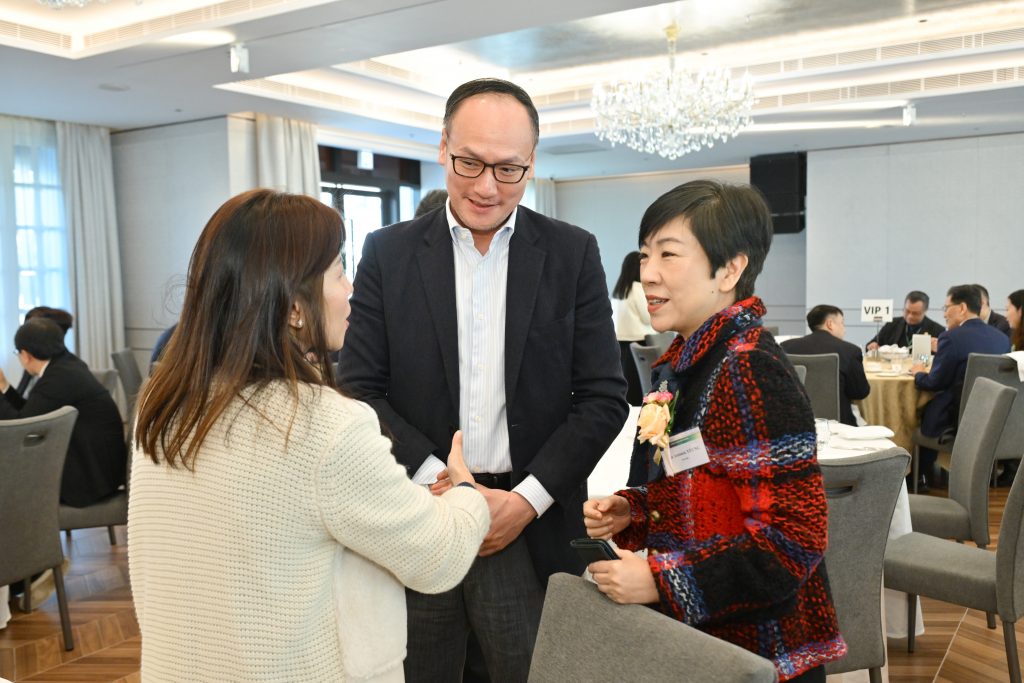
7. Networking Lunch

8. Keynote Speech 2

    • Mr Joe NGAI, Greater China Chairman, McKinsey & Company

Mr Joe NGAI, Greater China Chairman of McKinsey & Company, and Chairman of the School Advisory Committee at the School of Business, opened the session with a radical overview of the global “reshuffle.”

Drawing on insights from the World Economic Forum 2026 held at Davos, Switzerland recently, he noted that the market landscape has transformed entirely over the last 20 years, with a new breed of “arena-shapers” leading the charge. He emphasised that the coming decades will be defined by a radical reshuffle of industries, with 18 future arenas, including AI software and services, robotics, electric vehicles, biotech, and cybersecurity, expected to generate up to USD 48 trillion in revenues by 2040.

The core of his message focused on a paradigm shift from Generative AI to Agentic AI, and introduced the concept of “Hybrid Intelligence, ” where the workforce is no longer defined by humans alone, but by a seamless collaboration between humans and digital agents. Humans will focus on strategic judgment, empathy, and relationship‑led tasks, while agents handle research, synthesis, and execution.

For Hong Kong, Mr NGAI stressed the importance of choosing the right arenas to play in, preparing the next generation with AI‑fluency, and leveraging its position as a connector between Mainland China’s AI ecosystem and global markets.

9. Industry Panel 2 - Innovations and Strategies in Management & Marketing

Panel Speakers included:

    • Ms Hilda CHAN, Chief Marketing Officer, Hong Kong Science & Technology Parks Corporation
    • Mr Andy CHOW, Head of Customer Solution Architects, Google Cloud Hong Kong
    • Mr Joe NGAI, Greater China Chairman, McKinsey & Company; Chairman, School Advisory Committee, School of Business, HSUHK
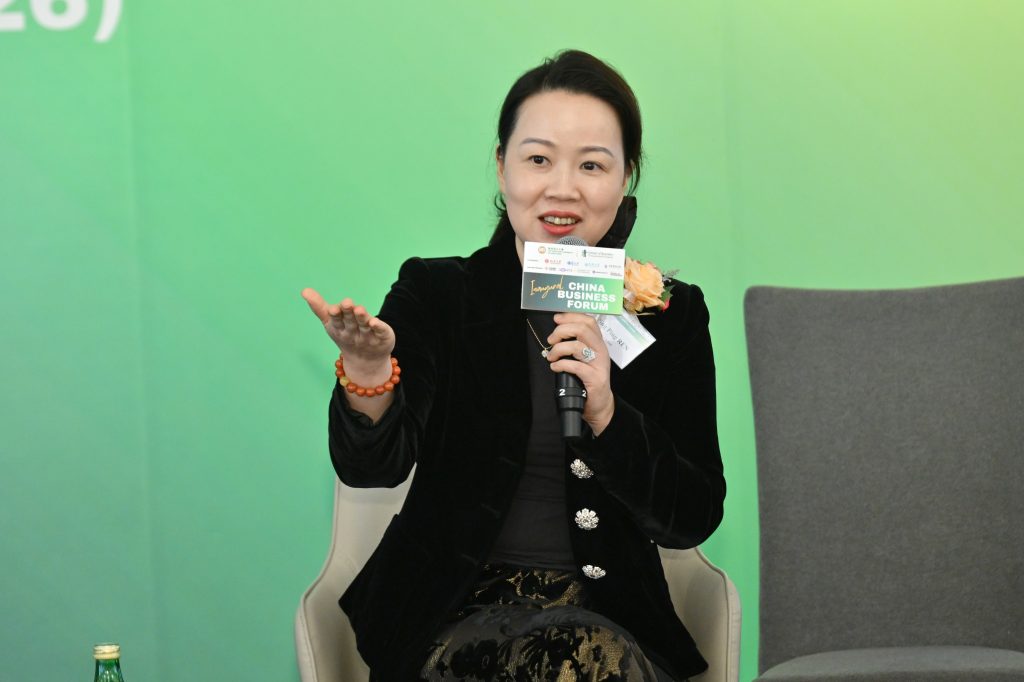
    • Dr Ping Ping REN, Vice President, iFLYTEK Co. Ltd

Moderated by:

    • Professor David TSE, Chair Professor, Department of Marketing, HSUHK

Building on the keynote, the afternoon industry panel, moderated by Professor David TSE, Chair Professor of Department of Marketing, discussed the current industry challenges and opportunities and addressed the ground-level reality of this disruption and how organisations innovate. In addition to Mr Joe NGAI, the panel featured leaders from iFLYTEK (Dr Ping Ping REN, Vice President), Hong Kong Science & Technology Parks Corporation (Ms Hilda CHAN, Chief Marketing Officer), and Google Cloud Hong Kong (Mr Andy CHOW, Head of Customer Solution Architects).

Panelists agreed that AI is both an opportunity and a disruption across all business domains. The discussion highlighted that AI is no longer a peripheral application but a driver and platform for entirely new products and services.

While global companies are restructuring their workforces to adapt, Hong Kong faces the challenge of co‑evolving with this disruption. The opportunity lies in leveraging China’s unique AI ecosystem, where consumers are highly receptive to new technologies, talent is abundant, infrastructure is strong, and firms excel at applying AI. Several firms shared examples of how they are advancing with AI, including using AI as a platform for new products and services, such as personalised marketing engines and predictive analytics for customer engagement, and embedding AI into management processes, enabling real‑time decision‑making and efficiency gains in operations.

The panel concluded with a call to action for university research teams to be reality‑and market‑grounded to collaborate effectively with firms. Concrete suggestions included co‑developing AI‑based case studies and applied research projects that address real industry challenges, establishing joint innovation labs where students and faculty work alongside firms to prototype AI solutions, and encouraging flexible, interdisciplinary approaches in academic research to align with the fast‑moving needs of business.

The keynote and panel together underscored that AI is the defining driver of change in management and marketing. For Hong Kong, the path forward liesin leveraging its role as a connector: aligning with Mainland China’s AI ecosystem, fostering collaboration between universities and firms, and preparing talent to thrive in hybrid intelligence environments. By combining academic rigor with market‑grounded innovation, Hong Kong has the potential to position itself as a leader in co‑creating the next era of business transformation.

Ms Hilda Chan

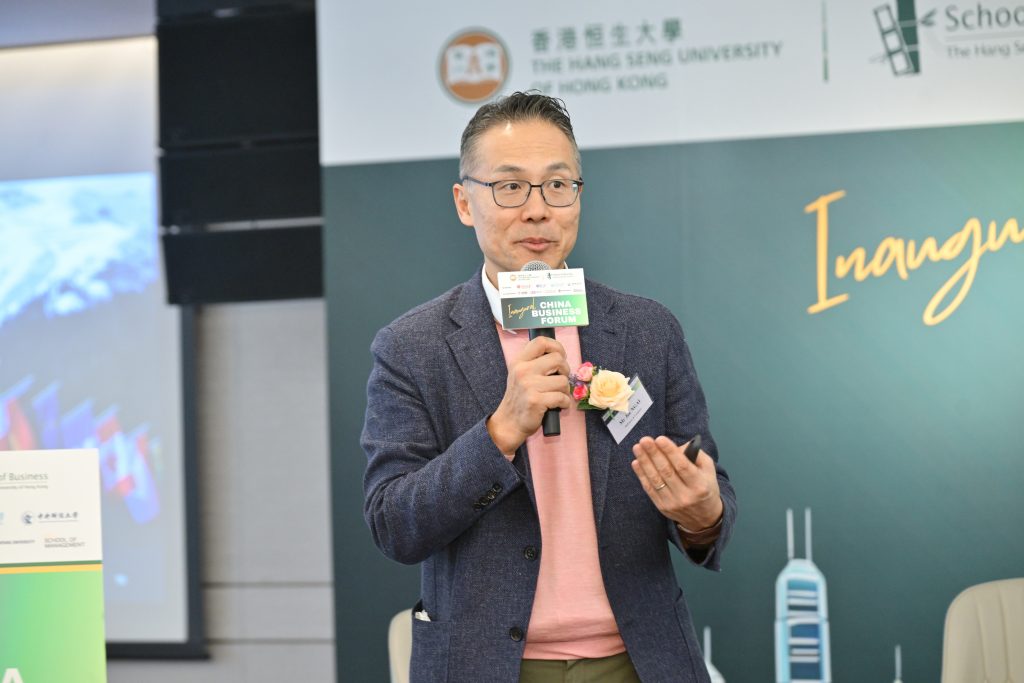
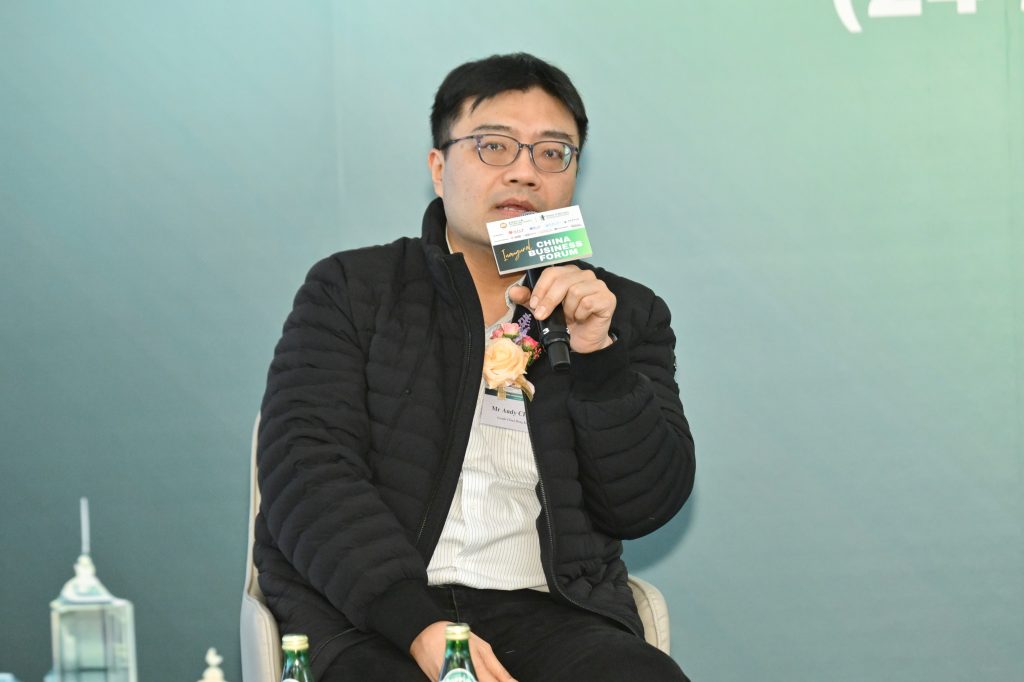
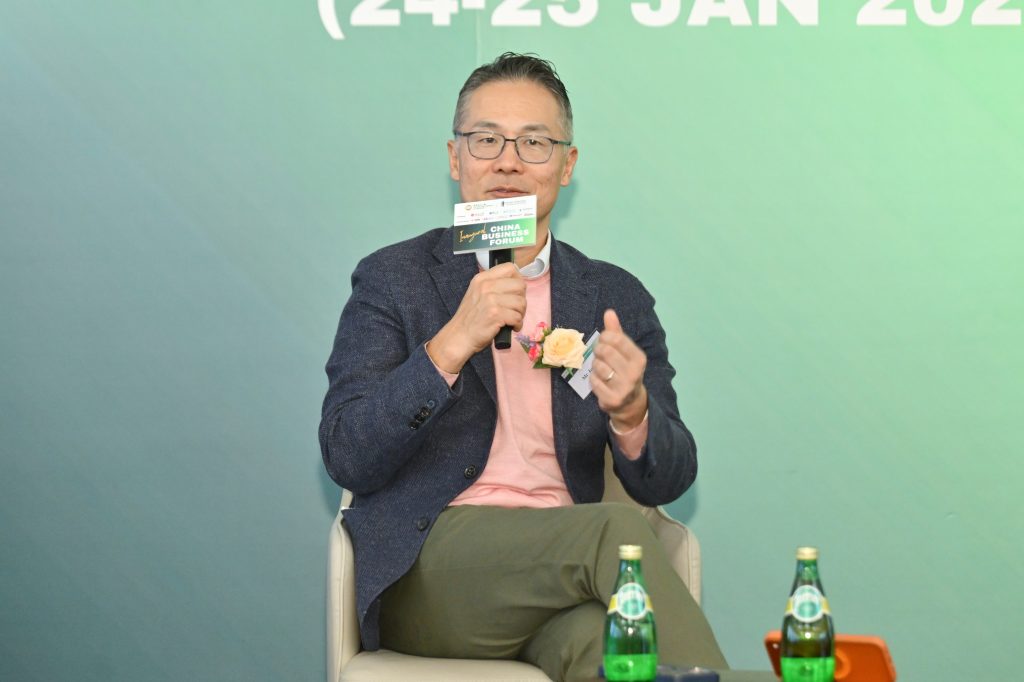
Mr Andy CHOW

Mr Joe NGAI

Dr Ping Ping REN

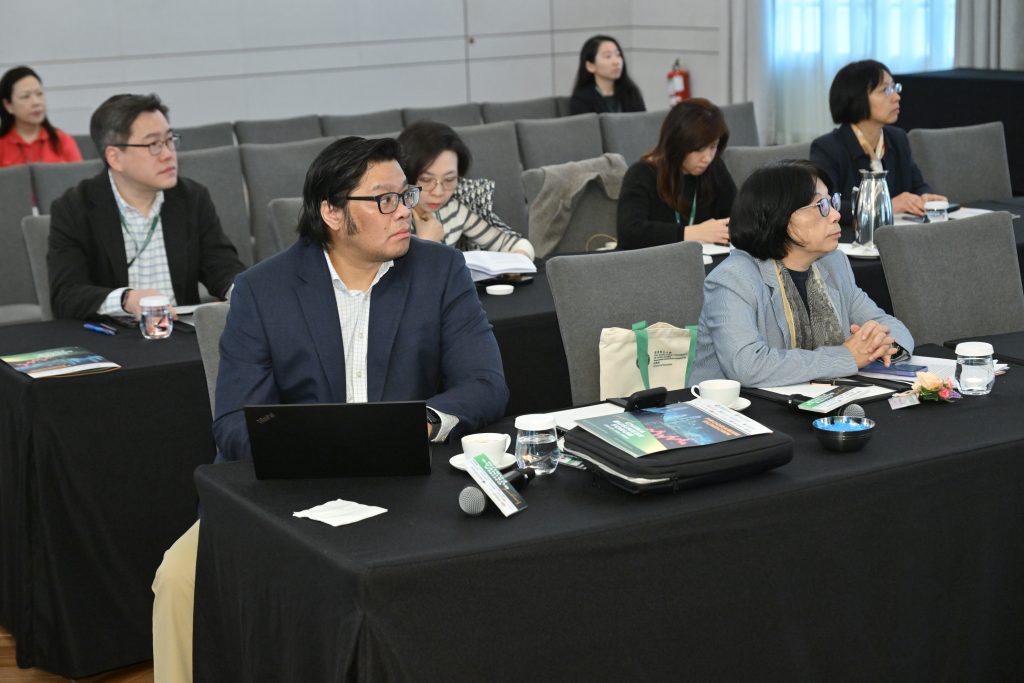
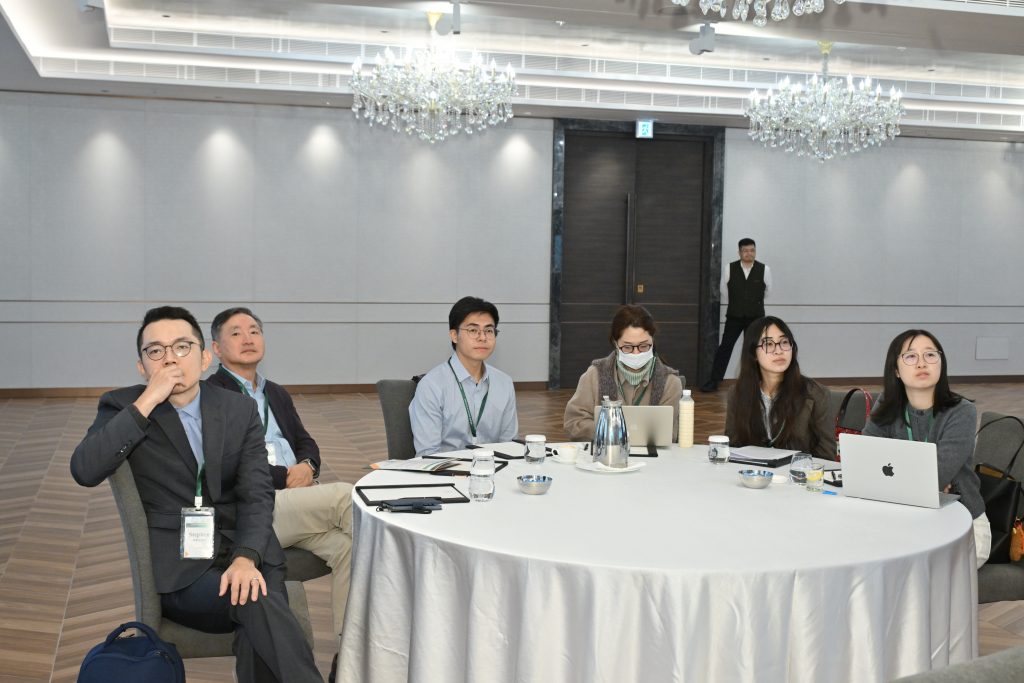
10. Concurrent Academic Sessions (Day 1 and Day 2)

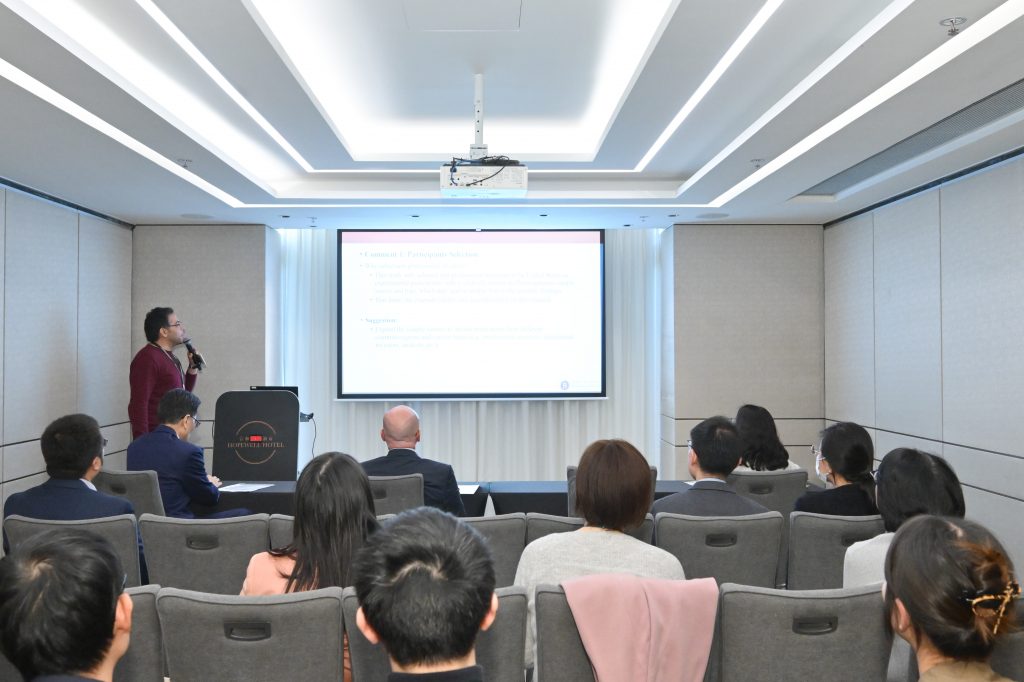
The academic sessions brought together faculty from across disciplines, including Accounting, Finance, Management, and Marketing, to present their latest research.


Moving beyond theory, these discussions offered evidence‑based insights into the complexities of the Chinese market, highlighting how scholarly work can inform practice and policy. The exchange of ideas showcased the breadth of research being conducted within the School of Business and partner institutions, reinforcing the Forum’s role as a hub for advancing knowledge with practical relevance.

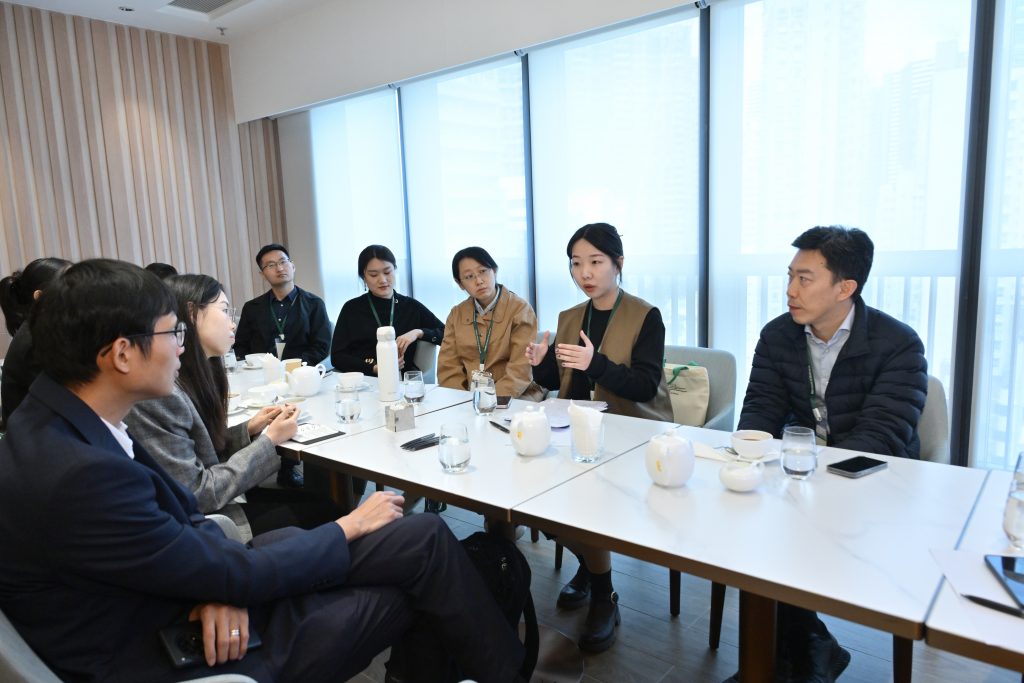
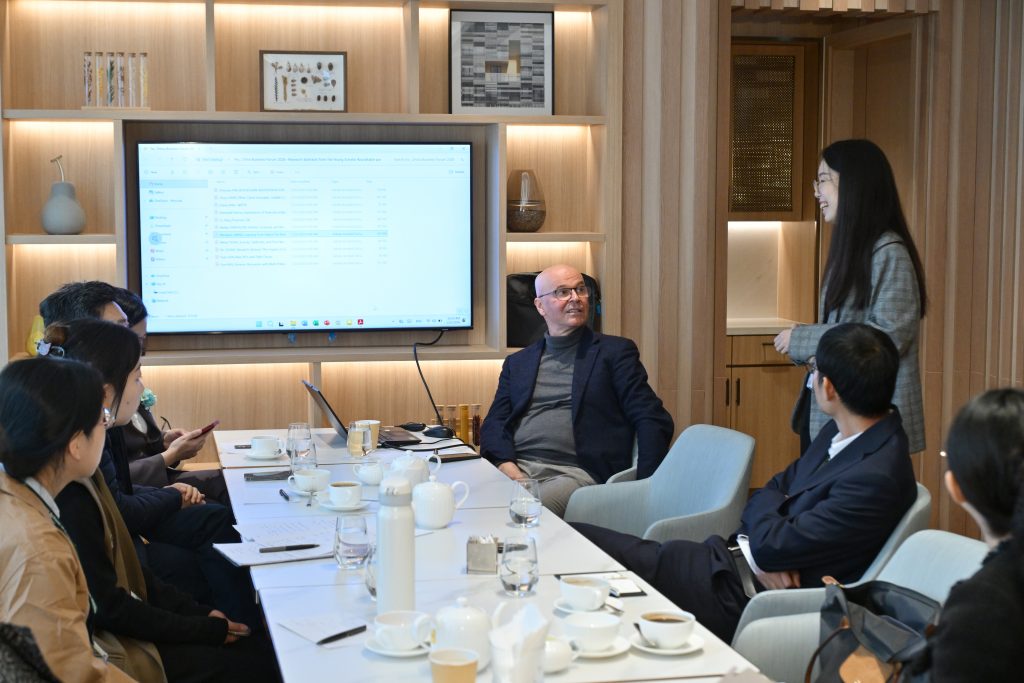
11. Young Scholar Roundtable

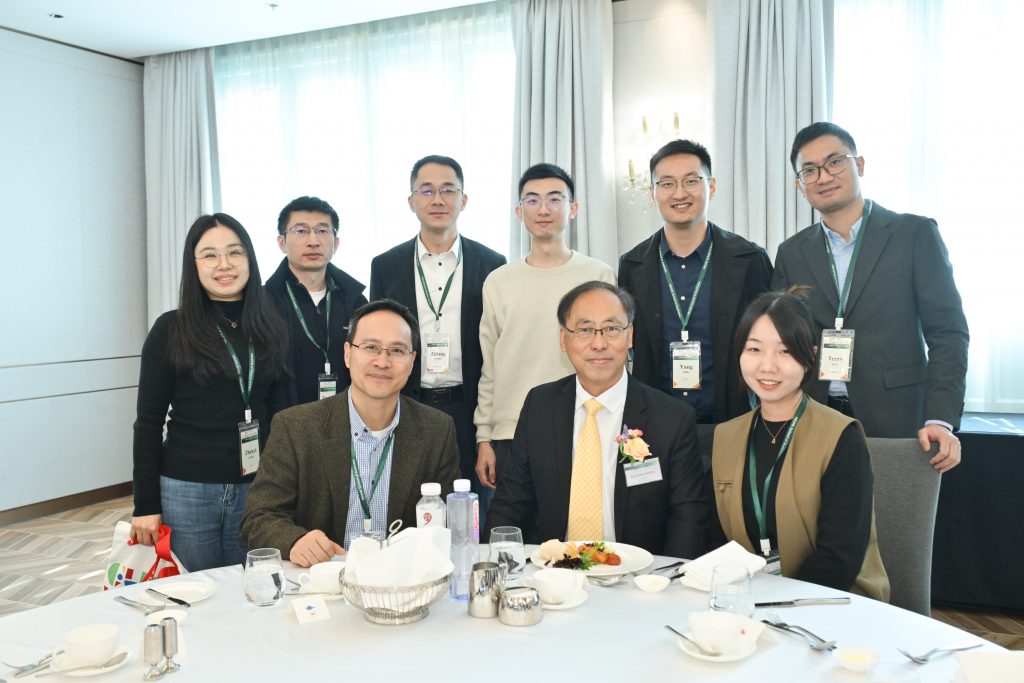
Equally impactful was the Young Scholars Roundtable, a dedicated platform for PhD students, postdoctoral fellows, and early‑career academics. Participants shared work‑in‑progress and received constructive feedback from senior scholars representing partner universities. This mentorship not only helped refine methodologies and strengthen research impact, but also fostered professional networks essential for long‑term academic growth.

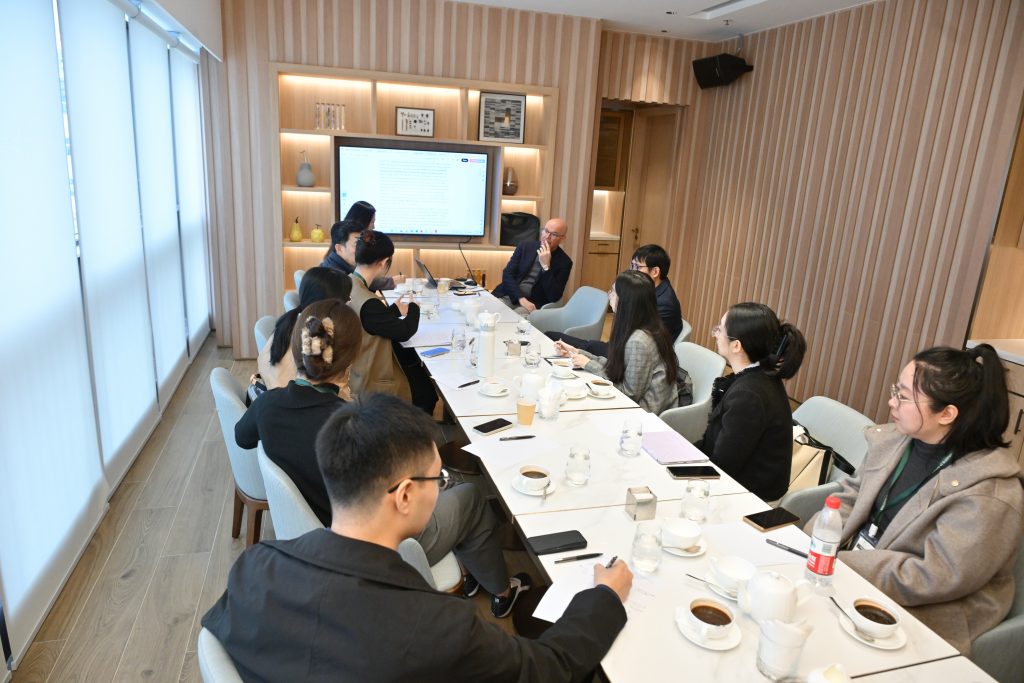
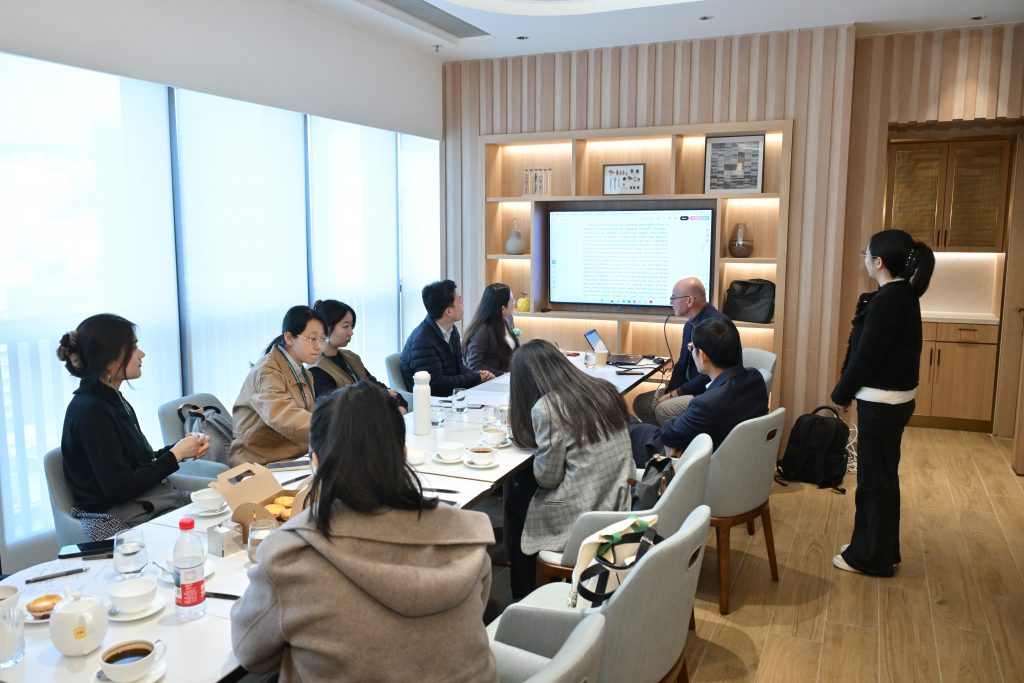
Additional Photo Gallery

----------

Asia Sustainability and ESG Summit 2023

Co-organizers:

– Research Centre for ESG, The Hang Seng University of Hong Kong

– Graduate School of Management and Innovation, King Mongkut’s University of Technology Thonburi, Thailand

Date: Aug 17-19 (Thur-Sat), 2023

Location: Bangkok, Thailand

Venue: KMUTT downtown centre (https://kxinnovation.com/event-space/)

Submission and registration deadline: July 8, 2023

Asia Sustainability and ESG Summit 2023​

The global movement on fighting climate change, promoting Sustainable Development Goals (SDGs), and ESG integration continues to generate significant interest among academic and professionals. However, ESG research has accelerated in the recent few years and it is time to explore the challenges and performance of ESG integration in the Asian context. The ESG Summit aims to provide a platform for researchers and industry professionals to share their research findings and practical insights in the area of ESG integration and business sustainability. The three-day event should be beneficial for academic and industry researchers, graduate students, executives, government officials and NGO professionals to learn about the latest ESG development.

Track 1: CALL FOR PARTICIPATION


Track 1: The first track is designed for industry participants which are interested in participating in our industry related presentations and round table discussions on how to create ESG projects and educational programs at their own organizations. Prof. Louis Cheng, Director of Research Centre for ESG at HSUHK will speak on the topic on “Understanding ESG performance, rating divergence, and sentiment indicators for listed firms”. Other high-level speakers include Tientip Subhanij (Division Chief, UNESCAP) and Dr. Ally Adigue (Head of GRI ASEAN Regional Hub) will discuss SDG policy implementation and ESG reporting disclosure. In addition, a round table discussion will be organized for qualified participants to share their views and engage in discussions with the speakers.

Track 2: CALL FOR PAPERS


Track 2: The second track is designed for academic participants. In addition, a Special Issue (SI) from the Research in International Business and Finance (RIBAF) is organized for papers in this conference. This SI is arranged based on the research themes covered in the Summit. It welcomes research related to ESG disclosure and information asymmetry in Accounting, ESG integration in Finance, and ESG issues in the Real-Estate sector. Topics include, but are not limited to:
  • ESG disclosure and ESG ratings divergence in Asia
  • Impact of media attention on ESG performance in Asia
  • COVID-19 impacts on ESG integration in Asia
  • Responsible investing and green financing in the real-estate sector in Asia
  • The value of ESG practices for the real-estate sector in Asia
  • ESG greenwashing in Asia
  • ESG initiatives and values of Asian firms
  • SI topic: ESG Integration: An Asian Perspective

    Guest editors: Prof. Louis T.W. Cheng, Prof. C.S. Agnes Cheng, and Dr. Jianfu Shen

    The Special Issue (SI) adopts a two-stage submission and evaluation process:

    Stage 1: To be considered by the SI, the paper should be presented at the “Asia Sustainability and ESG Summit” to be held in Bangkok, August 17-19, 2023. While a full paper is welcome, we will consider early-stage research work with a clear research hypothesis and some preliminary data analysis or research findings. Research draft should be submitted in the Microsoft Forms (https://forms.office.com/r/B61VJQpfmv) with an appropriate format which stated in the online form no later than July 8, 2023 (Hong Kong time). Papers accepted for presentation but failed to present the paper physically during the assigned conference session will not be further considered for the SI. Presenters will receive decisions and feedback from the guest editors within 3 months after the presentations.

    Stage 2: All 2023 presented papers with positive recommendations from the SI co-editors will be invited to submit to the SI and to present the finished papers in the ESG Summit in June 2024. It is NOT a requirement to present the papers in the 2024 conference for publishing in the SI. The complete SI is expected to be published in October 2024. Submission procedure for the SI will be provided after Stage 1. Uninvited papers submitted will not be considered. All papers will be peer-reviewed according to RIBAF policy. Once your manuscript is finally accepted, it will go into production and will be simultaneously published in the current regular issue and pulled into the online SI. Articles from this SI will be clearly marked and branded as Special Issue articles.

    Please ensure you read the Guide for Authors before writing your manuscript. The Guide for Authors: https://www.elsevier.com/journals/research-in-international-business-and-finance/0275-5319/guide-for-authors

    For attending the Summit without presenting papers, please register through (https://forms.office.com/r/bZDN6pFPvs).
  • Academic and professionals with paper presentation for Track 2 (both local and international participants#): USD200*
  • Attending conference only without paper presentation for Track 1 and 2 (international participants): USD100**
  • Academic and professionals without paper presentation for Track 1 and 2 (Thailand participants): USD70#
  • Graduate students and NGO employees (Thailand): Free (up to 20 seats##)

  • * Include coffee, lunch and gala dinner on Aug 18, 2023
    ** Include lunch & coffee break (gala dinner on first-come-first-serve basis and subject to maximum capacity)
    # Thai branches of international firms are regard as international participants.
    ## Approval is needed from the organizers.

    ----------

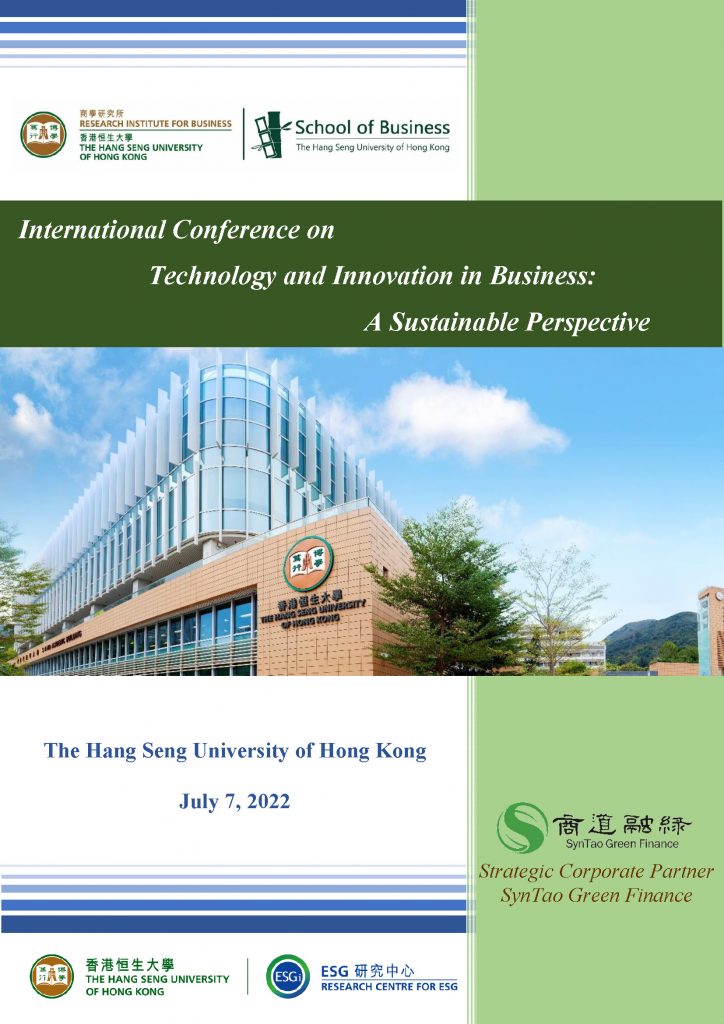
    International Conference on Technology and Innovation in Business: A Sustainable Perspective

    International Conference on Technology and Innovation in Business: A Sustainable Perspective was held on 7 July 2022 at the Hang Seng University of Hong Kong.


    Keynote Speakers:

    Prof Agnes C.S. CHENG, Professor of Accounting, Dale Looper Chair in Accounting, University of Oklahoma
    Prof John W. GOODELL, Professor of Finance, University of Akron


    For more information, please click here.